
Shutting Down Your Swamp Cooler Before the First Freeze
Warm Days, Cold Nights, a Cooler Full of Water
September in Santa Fe is deceptive. The afternoons still hit the upper seventies and the swamp cooler still feels useful, so most people leave it running. Then one night in October the temperature drops into the twenties, and every gallon of water sitting in that cooler's pan, pump, and supply line turns into a wedge of ice.
That single overnight freeze is the most common cause of avoidable evaporative cooler damage we see all year. The repair is rarely the pump alone — it's the split supply line inside a wall, the cracked float valve, and the water that ran down through the ceiling for two weeks before anyone noticed. Here's how to shut the cooler down properly, and how to make sure your heat is ready before you actually need it.
Get a Free Estimate!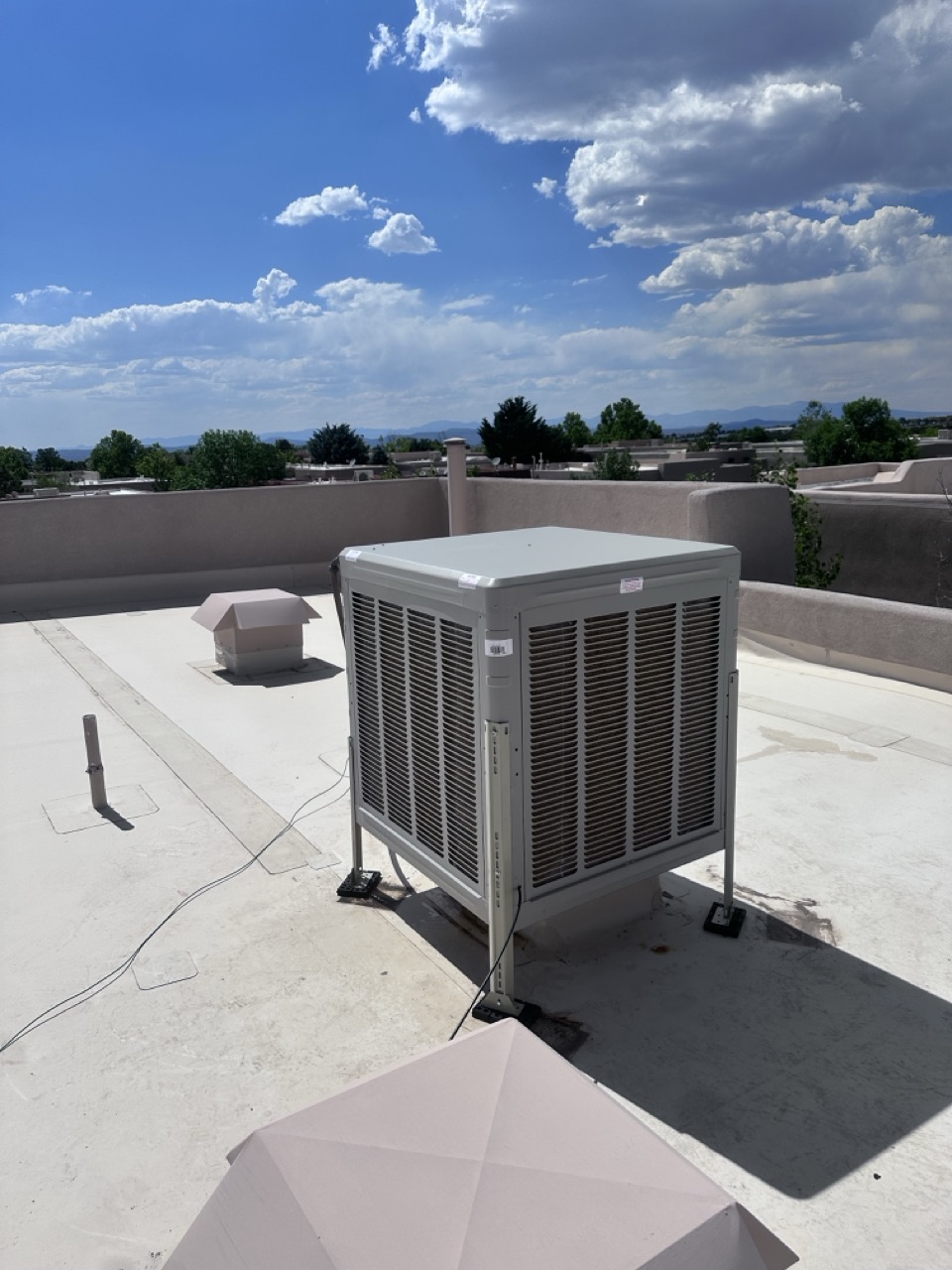
Five Things Worth Getting Right Before October
Shutting down an evaporative cooler is not complicated, but the order matters and the deadline is set by the weather, not by you. Jump to whichever part you need.
When to Shut the Cooler Down
Don't wait for a freeze warning. At 7,000 feet the gap between a pleasant afternoon and a hard overnight freeze is about fifteen degrees, and the first one usually arrives sometime in October — earlier if you're up in the foothills, out toward Los Alamos, or anywhere the cold air pools at night. Once your nighttime lows are consistently in the thirties, the cooler has stopped doing anything useful anyway: it's pushing damp, cold air into a house that no longer wants it. Late September through the first week of October is the window most Santa Fe homes should be aiming for. If you're going to be out of town in October, do it before you leave rather than gambling on the forecast.
"We had two mini-splits installed and removed our 20+ year old swamp cooler with David's help. He is excellent at communication and his work is incredibly precise and clean."
See our profile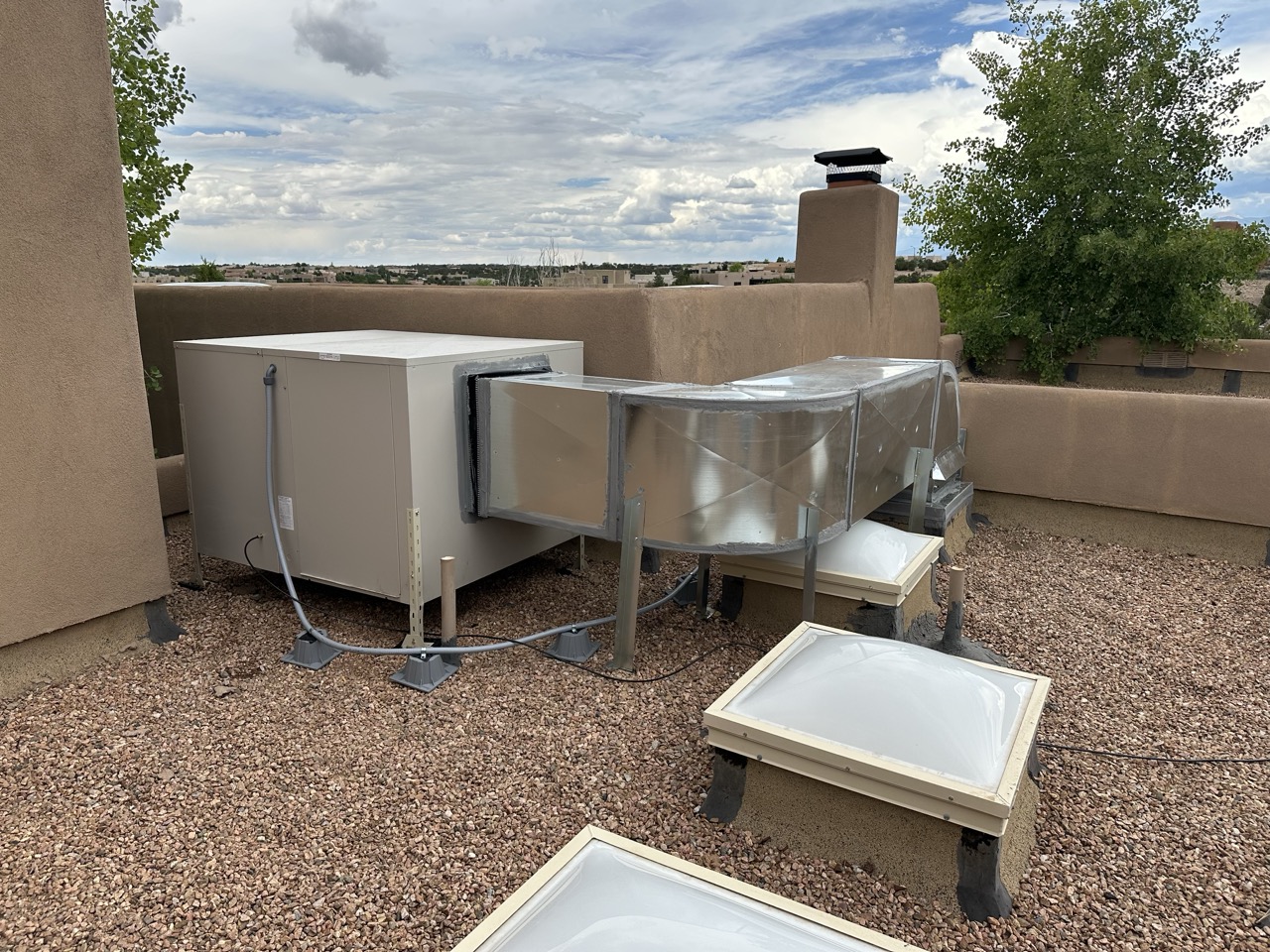
What a Hard Freeze Does to a Wet Cooler
Water expands when it freezes, and it does not care what's holding it. The pan holds several gallons; the pump housing holds more; and the supply line running up from the house is often the smallest, most exposed part of the whole assembly. A single night below freezing can split that line, crack the pump body, or break the float valve — and because it's all sitting on a roof or against an exterior wall, nothing looks wrong until you turn the water back on in May. That's when people discover the leak has been dripping into a ceiling or down the inside of a stucco wall. The shutdown itself takes under an hour. The spring repair after a burst line can involve drywall, insulation, and a much larger bill, which is why we'd rather talk to you in September than in April.
"His team was incredibly honest and upfront with all the details and did not make me feel like an idiot even though the problems were caused by a lack of homeowner maintenance on my part."
See our profileTest the Heat Before You Need It
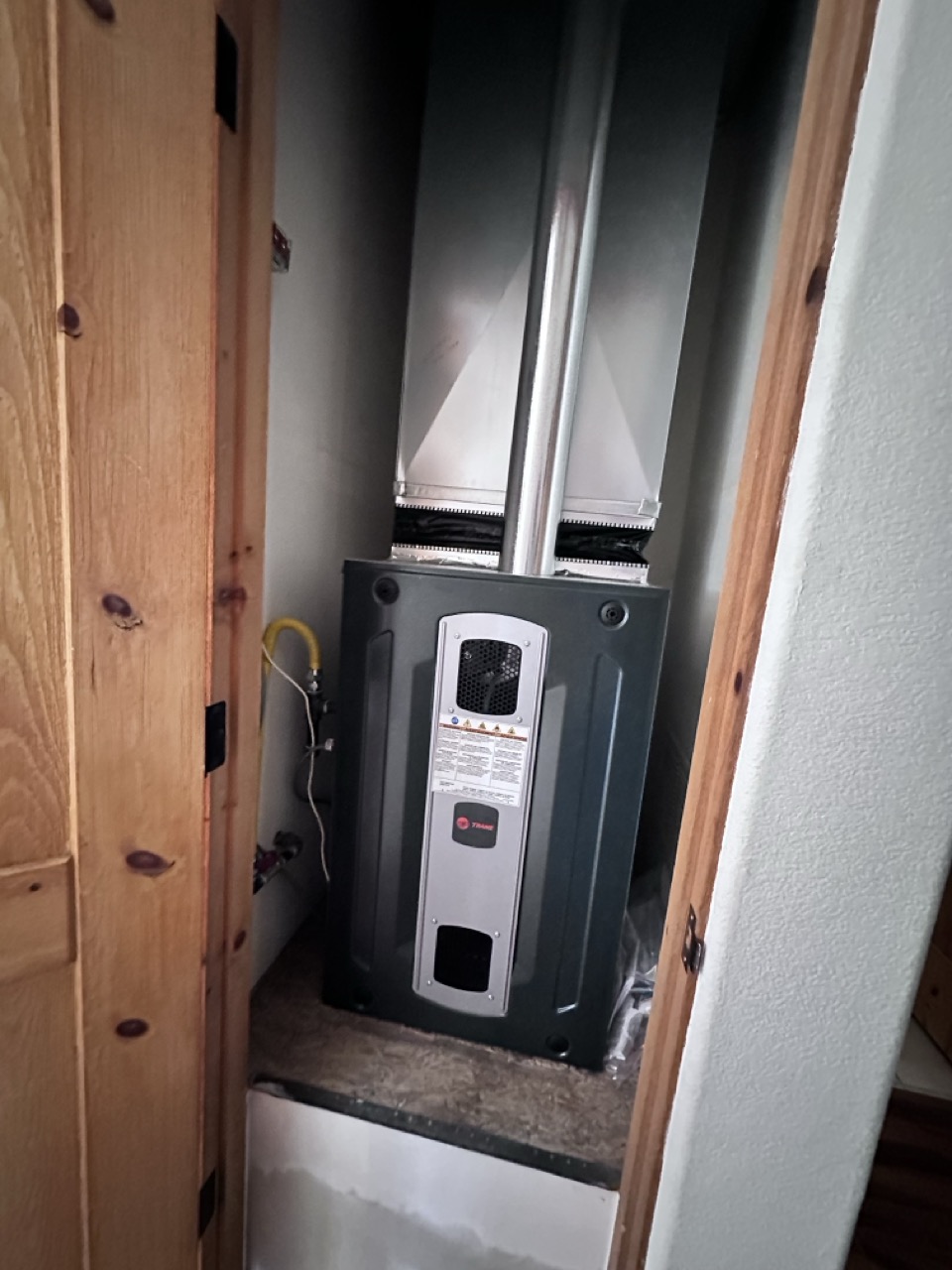
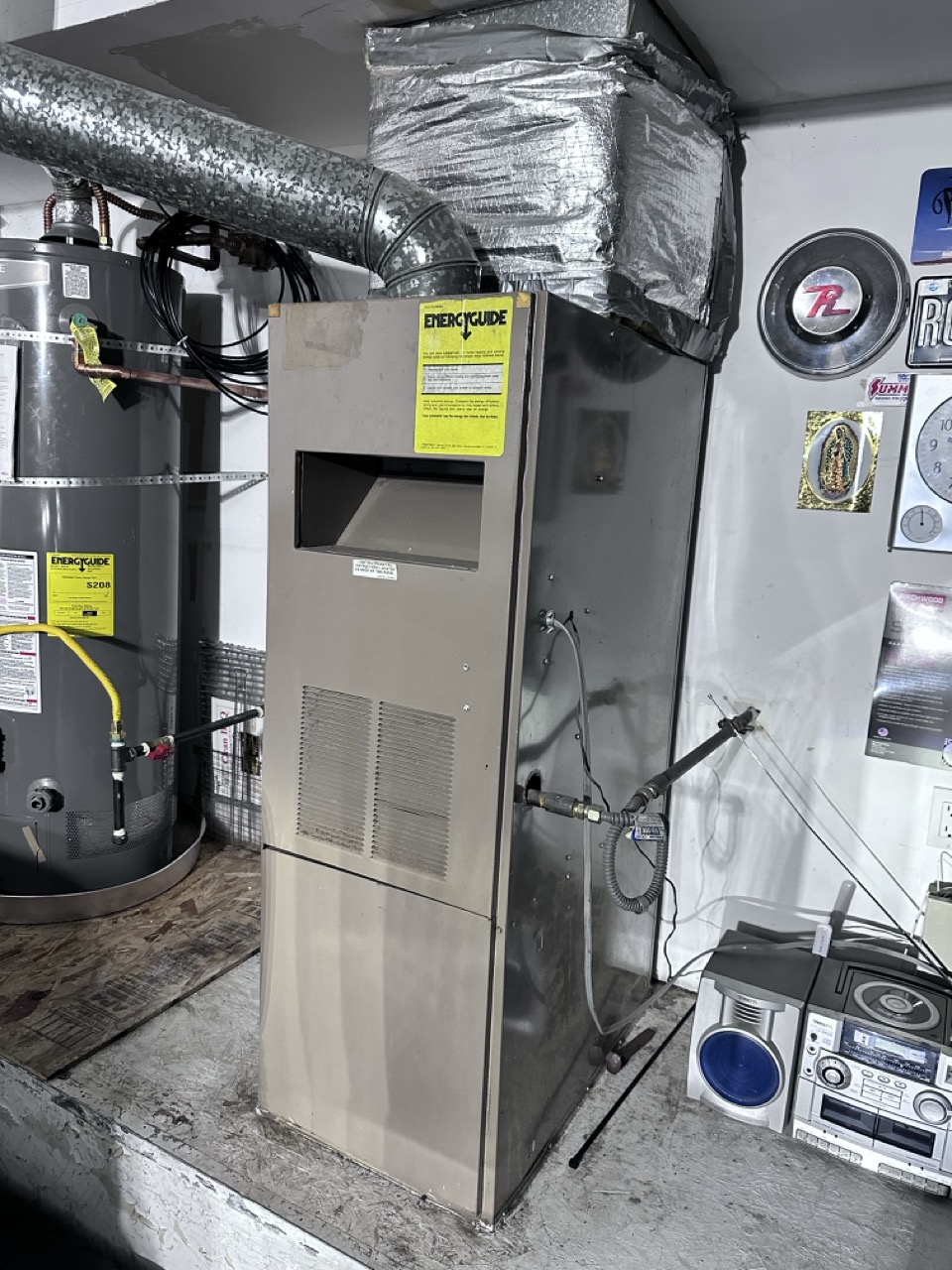
The day you shut the cooler down is the day to run the furnace. Put in a fresh filter, set the thermostat ten degrees above room temperature, and let it run a full cycle while you're standing there. You're listening for grinding or a delayed ignition, watching that every register actually blows warm, and expecting a brief burnt-dust smell that should clear within a few minutes. Anything else — a smell that lingers, short cycling, a burner that lights and drops out — is worth a look now rather than in January. If something sounds off, our furnace repair team in Santa Fe can diagnose it while the weather is still forgiving, and our guide to getting your furnace ready before the first freeze covers the full pre-season checklist.
"David communicated frequently with me and in a timely manner. Everything was neatly installed, and they cleaned up after themselves. It was one of the easiest home improvements I have ever had done."
See our profile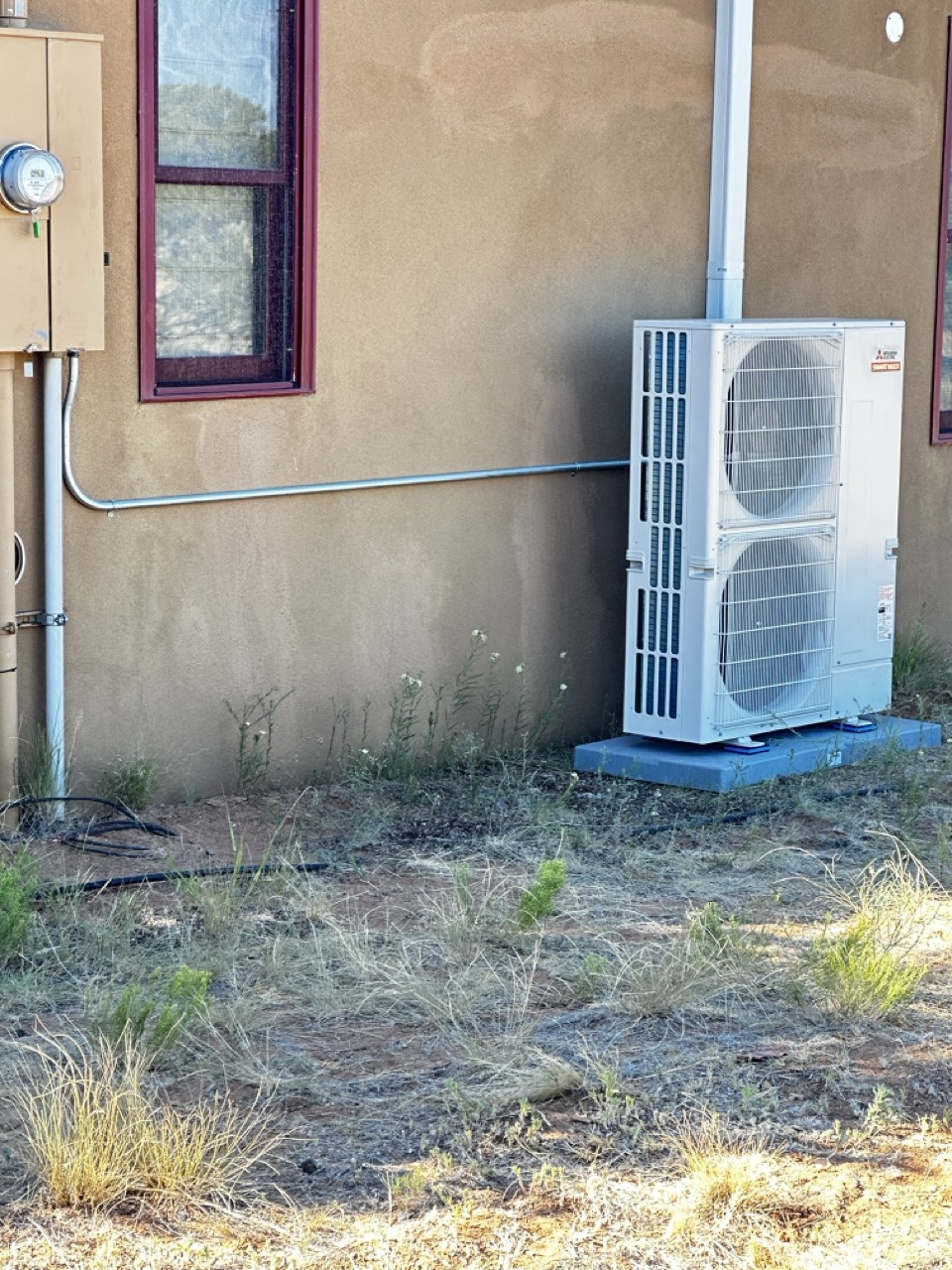
Crews Who Know Santa Fe Rooftops
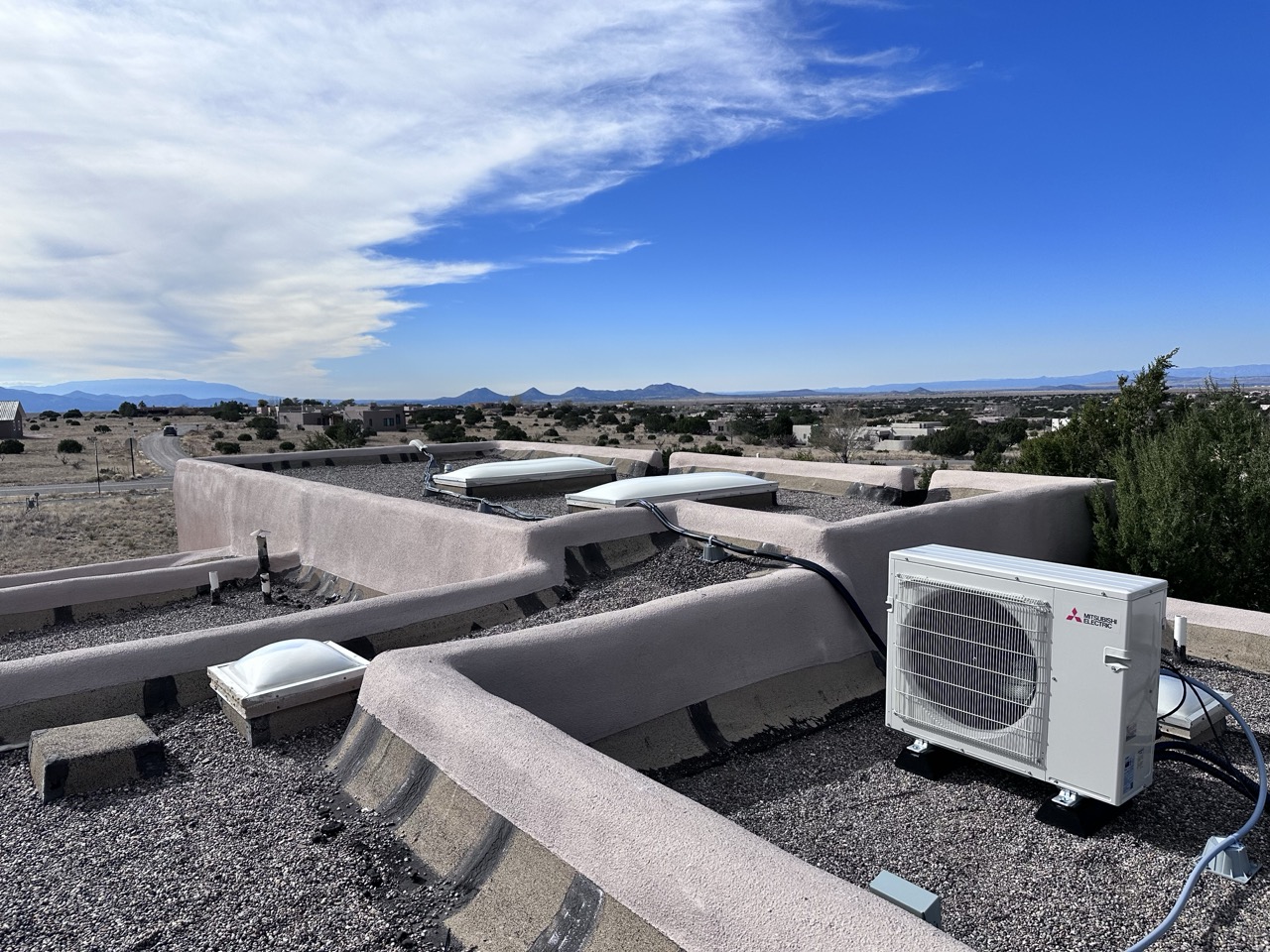
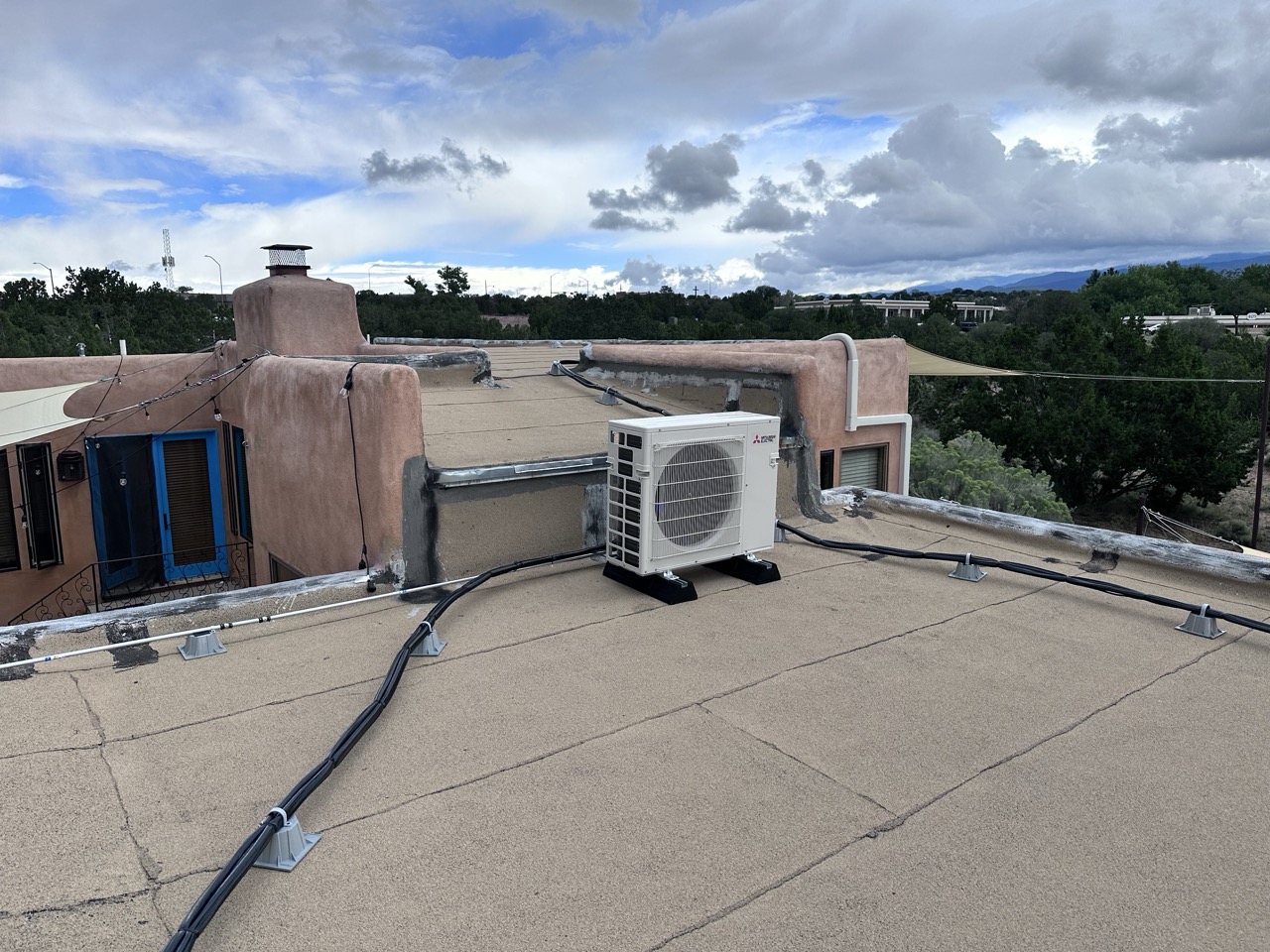
Evaporative coolers up here are usually on flat roofs, often on adobe or stucco homes where the parapet, the canales, and the equipment all have to be worked around carefully. That's a different job from a suburban side-yard unit, and it's the job we've been doing for more than twenty years. We know which older neighborhoods have supply lines run in ways that make them especially freeze-prone, and we know that a shutdown in Los Alamos or up in the foothills needs to happen a couple weeks earlier than one on the south side of town.
We work across Santa Fe County and the surrounding communities, and you can see the full list on our service areas page or browse recent installs in the project gallery.
"Also the owner always answers your calls … will work with you on timing issues for his services … his staff is very knowledgeable and they do an amazing job."
See our profileHeat One Room Without Firing the Furnace
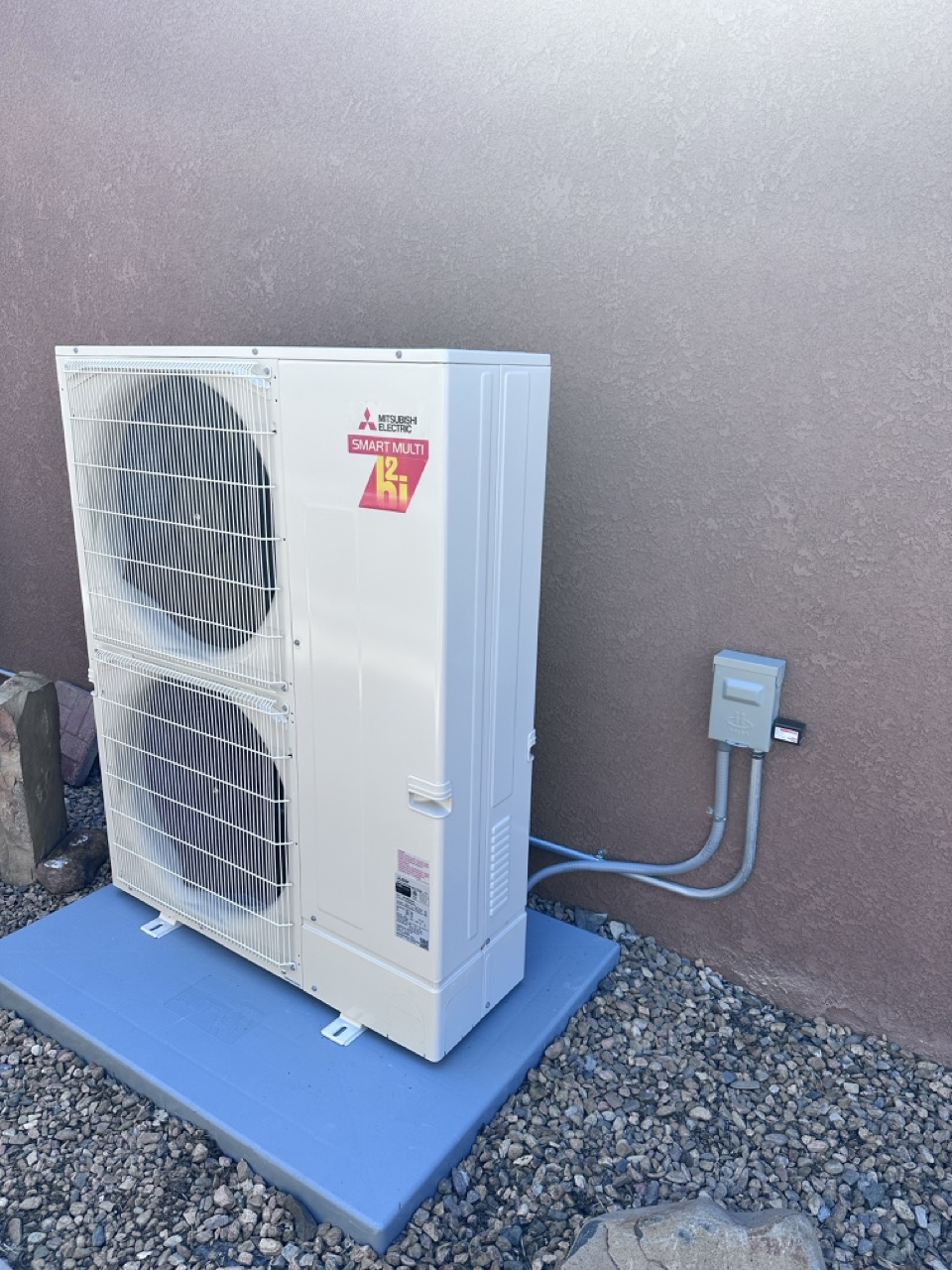
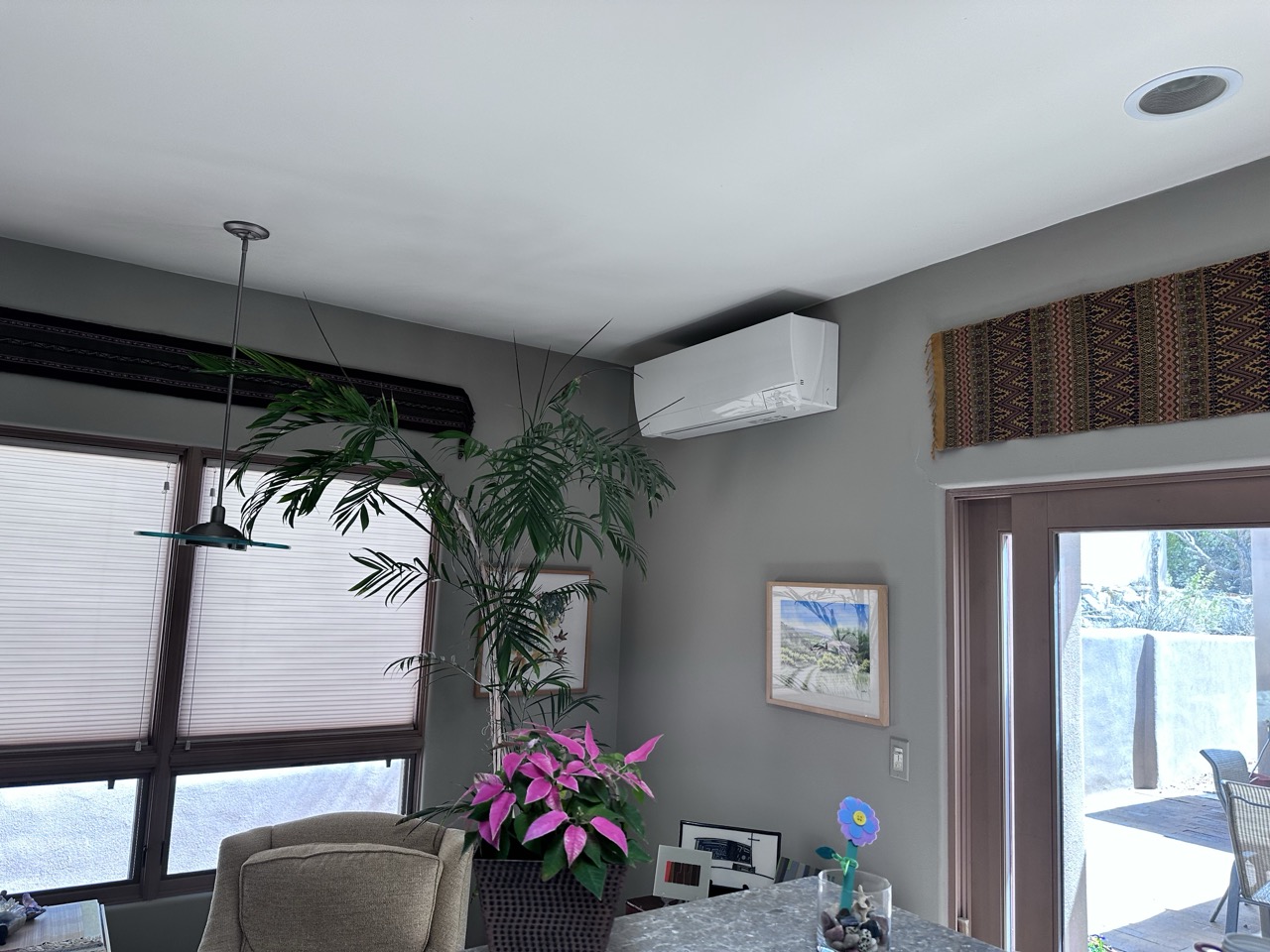
There's an awkward month between the cooler going off and the furnace genuinely earning its keep. Mornings are cold, afternoons are fine, and running the whole house furnace to take the chill off one bedroom is an expensive way to solve a small problem. This is where a ductless heat pump does its best work: it heats a single room on demand, and modern hyper-heating models keep producing warm air well below freezing, so a lot of Santa Fe homes end up using them as the primary heat right through winter. As a Mitsubishi Diamond Dealer we install and service these year-round — you can read more on our ductless mini-split page or compare your options in our breakdown of swamp cooler versus refrigerated air in Santa Fe.
"I purchased an air conditioner and furnace from Santa Fe Heating & Cooling LLC and my experience was excellent! Very professional, efficient and very knowledgeable and very well priced."
See our profile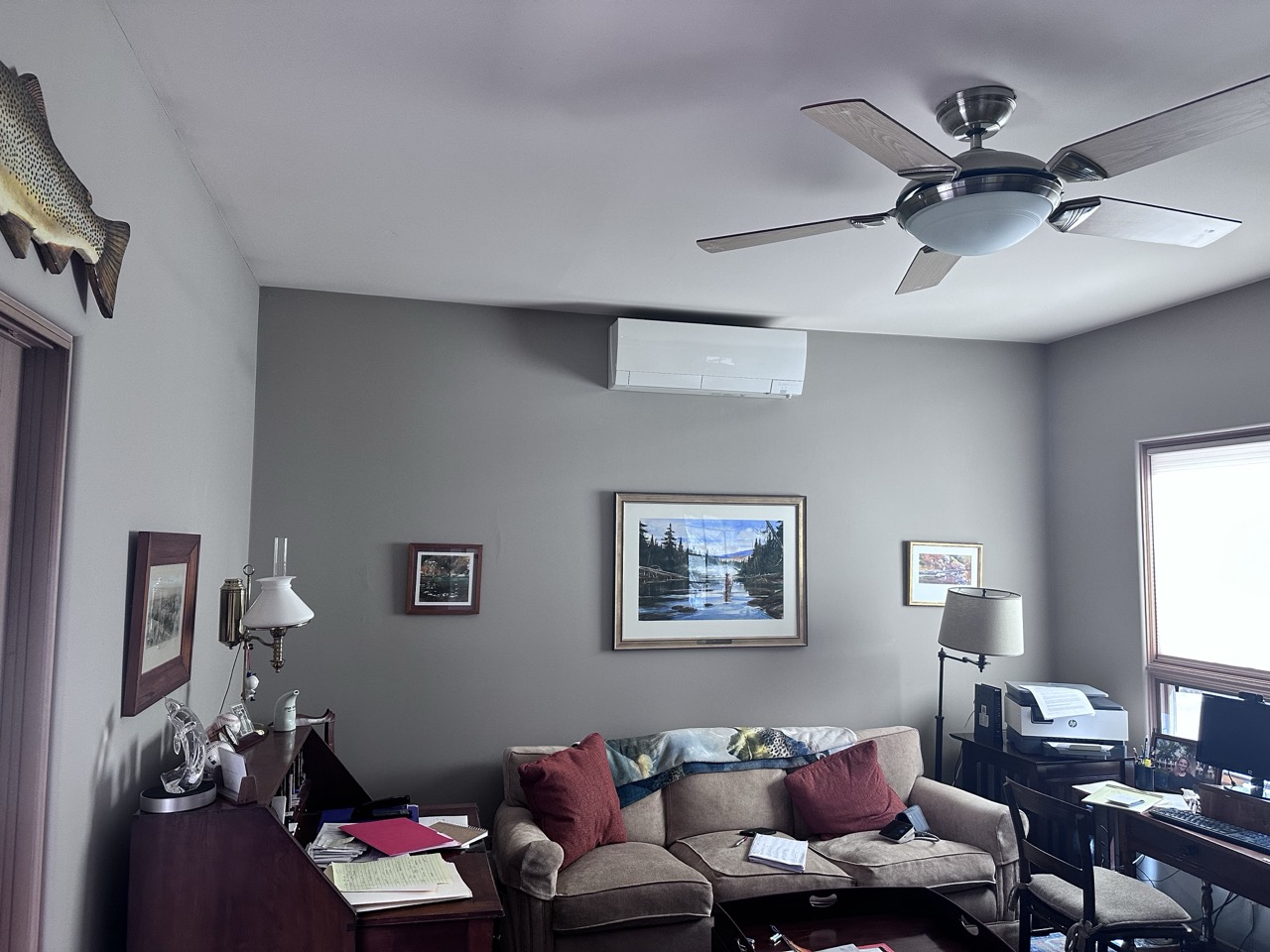
Six Steps to Winterize an Evaporative Cooler
This is the sequence we follow on a shutdown visit. If you're comfortable on a ladder and on your roof, most of it is homeowner-doable in an afternoon.
Shut Off the Water
Close the dedicated valve feeding the cooler — usually in a crawlspace, utility room, or on the exterior wall — before you touch anything else.
Drain the Supply Line
Disconnect the line at the cooler and let it drain completely. This is the part that splits in a freeze, and it's the step most often skipped.
Empty and Clean the Pan
Pull the drain plug, flush out the sediment and mineral scale, then wipe the pan dry so nothing is left to freeze or corrode over winter.
Pull the Pads
Remove the old pads rather than leaving them in to rot. Note the size while you're up there so replacements are ready in spring.
Close the Damper
An open cooler damper is a chimney for your heated air. Closing or blocking it is the single biggest thing you can do for your winter gas bill.
Cover the Unit
A fitted cover keeps snow, blowing grit, and moisture out of the housing and off the motor and bearings until spring startup.
Fall Shutdown Questions We Get Every Year
Turning the switch off stops the motor, but it doesn't remove the water. The pan, the pump, and the supply line all stay full, and that's exactly what freezes and splits. Shutting off the power without draining the system is the most common version of this mistake we see.
It depends entirely on what broke and where the water went. A cracked pump on its own is a modest repair. A split line that leaked into a wall or ceiling for weeks before anyone noticed is a much bigger conversation, and one that often involves more than just us. Our diagnostic fee is $99 and it applies toward the repair, so you'll know what you're dealing with before committing to anything.
Yes, and it's usually the most noticeable single item on this list. An open damper leaves a direct opening between your conditioned living space and the outdoors, and warm air rises straight up through it all winter. If you do nothing else after reading this, close the damper.
A brief dusty smell on the first run of the season is normal — it's dust burning off the heat exchanger after months of sitting idle, and it should clear within a few minutes. What isn't normal is a smell that keeps going, anything sharp or chemical, or any hint of gas. Shut it down and call us if you get any of those.
Far less. Clean or rinse the indoor filters, make sure the outdoor unit is clear of leaves and debris, and check that nothing is blocking airflow around it. Then run it in heat mode for a cycle to confirm the changeover works before you're relying on it. If it struggles or throws a code, let us know while it's still mild out.
That's how we'd prefer to do it, and it's how most of our fall appointments are booked. One trip, one window of your time, and you finish the day knowing the cooler is safe for winter and the heat works. Availability tightens considerably once the first cold front comes through, so earlier is better.
He updated our 1950's Stamm house with a brand new central heating and cooling system. All under house ducted. All while we were living in it and it was so smooth! Feels like a new house. So much more comfortable. He was very upfront and transparent and fair with his pricing.
Services for the Season Ahead
Evaporative Coolers
Seasonal shutdowns and startups, pump and float repairs, pad replacement, and full swamp cooler installation across Santa Fe County.
Learn MoreFurnace Installation
Gas, propane, and natural gas furnace installation as a certified Trane provider, backed by a 3–5 year workmanship warranty.
Learn MoreDuctless Mini-Splits
Room-by-room heating and cooling with no ductwork required — a strong fit for Santa Fe's older adobe and Stamm homes.
Learn MoreAreas We Serve
Get It Handled Before October
One visit covers the cooler shutdown and the heat check, so you head into winter knowing both are done. Our $99 diagnostic applies toward any repair we find, and every job is backed by a 3–5 year workmanship warranty.
Tell Us What You Have
Cooler on the roof, furnace in a closet, mini-splits, or all three — a quick call tells us what the visit needs to cover.
Pick Your Window
We'll find a time that works and give you a straight answer on cost before anyone climbs a ladder.
Winter-Ready in One Trip
Cooler drained, damper closed, unit covered, heat tested — and the site left clean when we go.